
Learn how advanced sub-micron intraoral 3D scanners like iTero Lumina eliminate uncomfortable physical impressions, boost clear aligner precision, and optimize dental treatment times.
For decades, receiving orthodontic treatment or custom restorations meant undergoing uncomfortable chemical clay impressions. Modern digital dentistry has completely revolutionized this experience using sub-micron intraoral 3D scanning to create a faster, cleaner, and much more accurate diagnostic standard. At Maxface Dental Clinic in Bangalore, patients benefit from state-of-the-art diagnostic tools that make their visits exceptionally comfortable. By replacing traditional impressions, this modern approach ensures that patients can relax during their diagnostic appointments.
The transition to digital mapping is not just about comfort; it is also about achieving clinical excellence. Traditional methods rely on materials that can shrink, tear, or warp, leading to fit issues. Digital scans provide an instantaneous, high-definition digital representation of the mouth. This modern diagnostic standard allows Dr. Srinivas to plan treatments with extreme precision from the very first consultation.
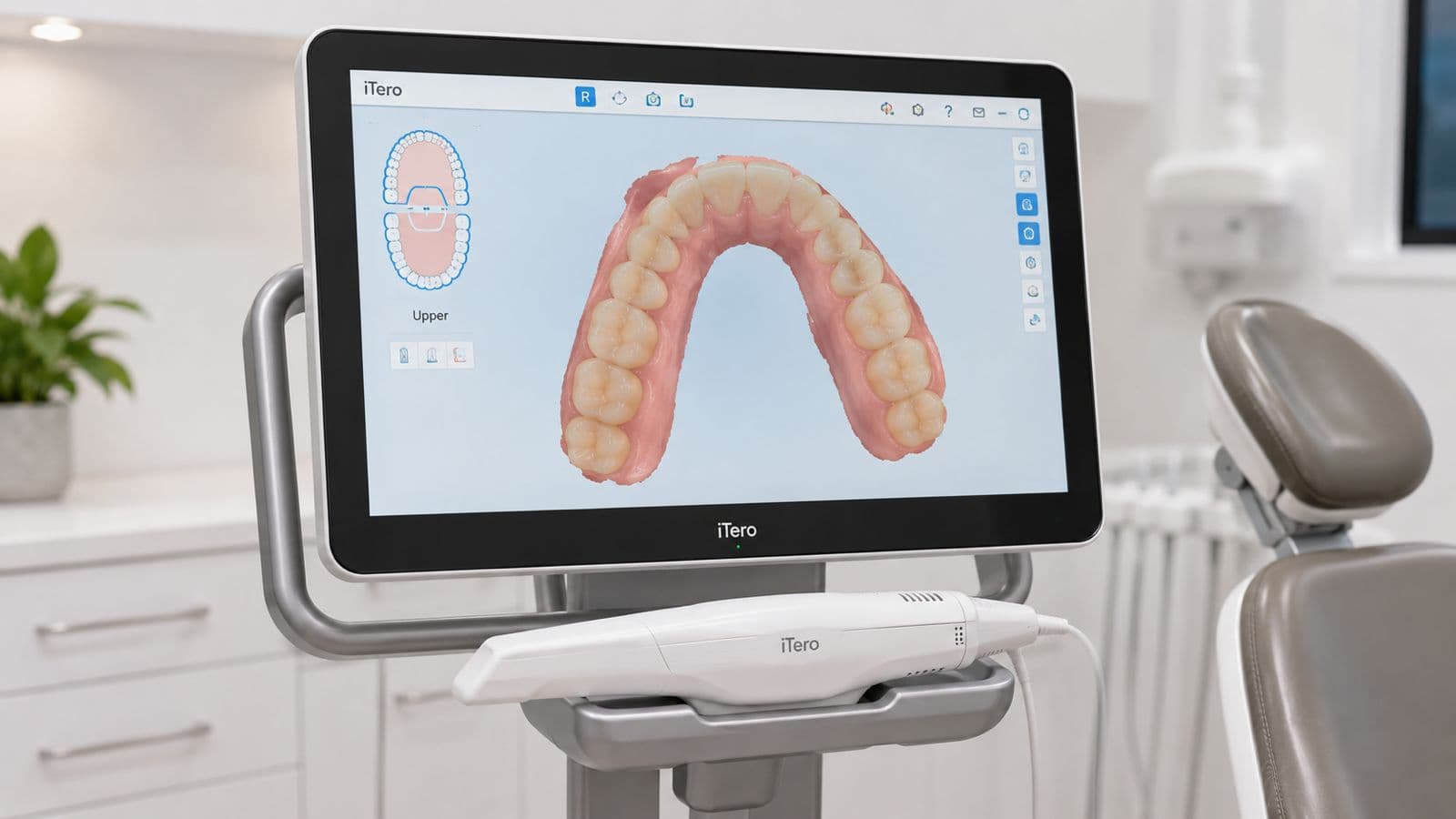
Intraoral 3D scanners are compact, hand-held digital wands that capture thousands of frames per second to construct highly accurate, three-dimensional digital models of a patient's teeth and gums. The device utilizes advanced optical technology to map the mouth in real-time, eliminating the need for sticky, gag-inducing impression materials. At Maxface Clinic, we utilize the state-of-the-art iTero Lumina digital scanner to perform these comfortable scans in under 2 minutes. The process is completely dry, allowing patients to breathe and speak normally throughout the session.
By capturing 6,000 frames per second, the scanner provides a highly interactive and detailed digital record of the oral cavity. This advanced wand utilizes light and sensors to construct a full 3D color model of your dentition. This model is displayed immediately on a chairside screen, letting patients view their oral structure in detail. This transparency builds trust and helps patients visualize their own treatment needs.
Digital scanners revolutionize orthodontic planning by allowing dentists to create precise digital models that simulate tooth movement and project final alignment outcomes instantly. This high-tech planning ensures that treatments like Clear Aligners are designed with maximum predictability and efficiency. The software generates immediate smile forecasting models, letting you preview your final orthodontic alignment results before beginning therapy. Patients can see a step-by-step visual map of how their teeth will transition to their ideal positions.
This interactive experience helps patients understand their treatment journey and improves compliance throughout the process. When patients see a clear, digital representation of their future alignment, they feel more confident in their treatment plan. The orthodontic simulator can calculate exact movements down to a fraction of a millimeter. This eliminates the guesswork that was often associated with traditional manual orthodontic adjustments.
Virtual smile simulations provide patients with a realistic, computer-generated preview of their completed smile before any active orthodontic treatment begins. By using advanced orthodontic algorithms, the scanner's software maps out the precise movement of each tooth over the course of the treatment. This predictive modeling allows for adjustments to be made before the custom appliances are manufactured, saving valuable time. Clinicians can fine-tune the force distribution on each tooth, ensuring a safer and more comfortable orthodontic experience.
Patients are often highly motivated when they see their future smile on the screen during their first visit. It turns a clinical discussion into an exciting visual journey. This technology also allows for better communication between the doctor and the patient. Any concerns about spacing, crowding, or alignment can be addressed visually on the screen.
The clinical benefits of sub-micron scanning technology include unparalleled diagnostic accuracy, improved appliance fit, and a significant reduction in clinical errors. Traditional dental molds are subject to slight distortions as the plaster expands or contracts, which can affect the final fit of orthodontic appliances. Digital scans capture the oral architecture with a precision of 20 microns, virtually eliminating human errors. This sub-micron accuracy is essential when designing a comprehensive Smile Makeover that looks and feels natural.
It ensures that veneers, crowns, and aligners fit snugly against the margins, preventing plaque accumulation and decay. A tight, precise fit also means that restorations last longer and feel more comfortable. The high-resolution scanner detects microscopic details on the tooth surface that the human eye might miss. This level of detail ensures that every restoration is built on a solid, accurate foundation.
Comparing digital scanners to traditional clay impressions highlights a stark contrast in patient comfort, speed, and diagnostic accuracy. Traditional impressions require patients to hold a tray filled with gooey alginate or silicone in their mouth for up to 5 minutes, which frequently triggers the gag reflex. Modern intraoral scanning reduces this diagnostic process to a comfortable 2-minute scan that can be paused at any time. There is no messy residue, no unpleasant taste, and no discomfort.
Additionally, the digital capture is instantaneous, allowing immediate verification of scan quality before the patient leaves the chair. If any area is missed, the dentist can quickly rescan just that specific spot. In contrast, if a traditional clay impression is flawed, the entire messy process must be repeated. This saves valuable chair time and reduces patient anxiety significantly.
Advanced intraoral scanners provide the detailed digital blueprints required for planning complex restorative procedures such as crown fabrication and implant placement. The sub-micron detail captured by these scanners is vital for restoring teeth with high precision and long-term durability. Whether preparing a single crown or planning advanced Dental Implants, digital scans offer unparalleled visibility of the tooth margins. The clinical data helps design restorations that blend seamlessly with natural teeth, ensuring an optimal bite.
This level of detail is also crucial in full mouth rehabilitations, where precise jaw relationships must be maintained. The dentist can evaluate how the upper and lower teeth meet in real-time on the digital screen. By analyzing the bite digitally, we can identify areas of heavy contact that could cause future damage. This proactive analysis ensures the longevity of both natural teeth and restorations.
The digital workflow enabled by intraoral scanners shortens orthodontic and restorative turnaround times by transmitting files to laboratories via secure cloud networks. Traditional molds require physical shipping, which can take several days and risks damage or loss in transit. Digital scans are received by the dental laboratory in seconds, allowing fabrication of clear aligners or crowns to begin immediately. This digital transmission shaves orthodontic turnaround time by 50%, getting patients started on their treatments much faster.
Consequently, patients receive their custom-made aligners in less than a week, compared to the traditional wait time of 14 to 21 days. The seamless cloud workflow also allows for instant collaboration between the clinic and laboratory technicians. If any design modifications are needed, they can be discussed and finalized in real-time. This level of efficiency improves the overall clinical workflow and reduces the number of patient visits required.
To discuss modern orthodontic scanning with Dr. Srinivas, book a consultation at Maxface Dental Clinic, Bangalore.
No, intraoral 3D scans are completely pain-free and comfortable. The compact digital wand moves smoothly over your teeth without touching sensitive tissues or causing a gag reflex. The entire process takes under two minutes, and you can breathe normally throughout the scan.
Digital dental scanners are significantly more accurate than traditional clay molds, capturing oral architecture with a precision of 20 microns. Clay molds are prone to tearing, shrinking, and air bubbles, which can lead to poorly fitting restorations. By eliminating human and material errors, digital scans ensure a perfect fit for aligners, crowns, and veneers.
A full mouth digital scan using modern scanners like the iTero Lumina takes less than two minutes to complete. The high-speed camera captures thousands of frames per second to build the 3D model in real time. You can view the final interactive model of your teeth on the chairside screen immediately after the scan.
Medically Reviewed By
MDS Prosthodontics, Fellow & Diplomate ICOI (USA) · Chief Implantologist · Last updated: May 2026
Dr. B. Srinivas Rao demonstrates how a custom-fabricated surgical guide enables precise implant positioning and immediate restoration — allowing the patient to walk out with a functional tooth on the same day as implant surgery.
Compare clear aligners and metal braces to make an informed choice for your orthodontic treatment journey at Maxface Bangalore.
Dr. B. Srinivas Rao co-authored the landmark 1st Global Consensus for Clinical Guidelines on rehabilitating the completely toothless upper jaw — published in Clinical Oral Implants Research, 2026.