
Understanding the step-by-step process of combining dental implants, crowns, and bite corrections to restore a collapsed bite.
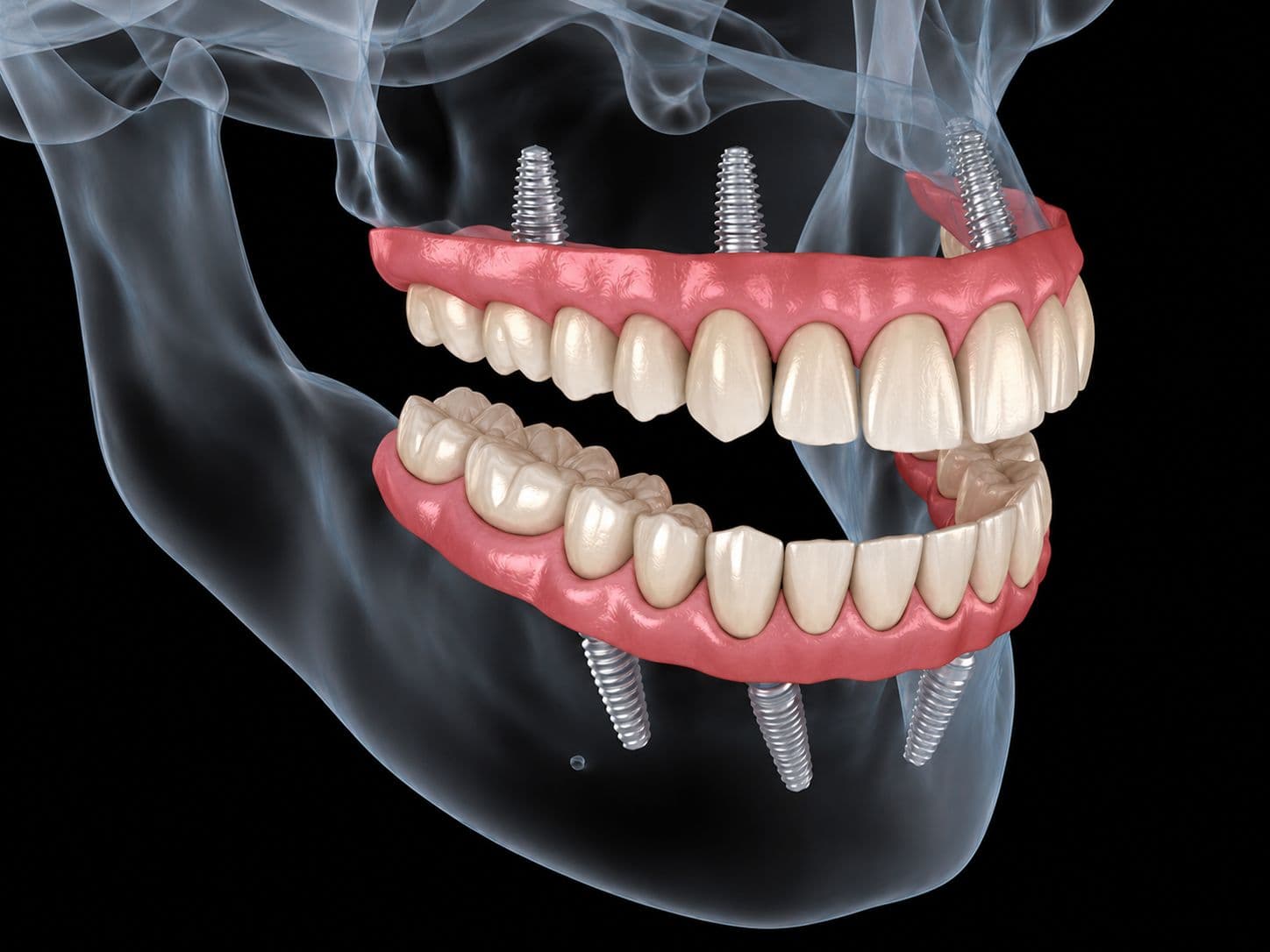
A collapsed bite, or loss of vertical dimension of occlusion, occurs when worn-down or missing teeth cause the jaw to close too far. This collapse can reduce facial height by 3mm to 8mm, causing jaw pain in over 85% of patients suffering from severe wear. Furthermore, a collapsed bite places unequal stress on the temporomandibular joint, leading to chronic headaches and muscle fatigue. Utilizing a specialized Full Mouth Rehabilitation approach allows dental specialists to re-establish the correct bite height.
Restoring the bite to its natural alignment relieves the pressure on the jaw muscles and joints. This clinical correction is not just about looks; it restores the patient's bite force and overall chewing efficiency to nearly 100% of natural capacity. Patients who once struggled to chew basic foods can experience a complete return to normal dietary habits. Additionally, rebuilding the tooth structure prevents further wear and stabilizes the surrounding bone support.
By breaking the therapy into distinct phases, patients experience minimal discomfort and predictable clinical outcomes. Modern diagnostic technology helps dental specialists simulate the planned results before any physical work begins. This sequence of diagnostic planning, trial mock-ups, and final restorations ensures that the patient's new teeth are both functional and aesthetic. It also allows the patient's jaw muscles to gradually adapt to the new, corrected vertical bite dimension.
We also measure the activity of the jaw muscles and trace the movements of the temporomandibular joint. These measurements help pinpoint the patient's neuromuscular bite position, which is the most relaxed position for the jaw muscles. Correctly identifying this baseline ensures that the final crowns and bridges will not put excessive strain on the joint. Without these precise measurements, new restorations could lead to premature wear, joint pain, or implant failure.
The diagnostic data is then imported into advanced software to design a virtual model of the new bite. This virtual design serves as the foundation for the entire treatment plan. It allows the prosthodontist to calculate the exact height and angle of each new tooth. Patients can even preview their projected smile through digital simulations before the physical treatment begins.
For patients with missing teeth, dental implants are planned to serve as stable structural foundations for new crowns and bridges. Modern Dental Implants offer a high success rate of 98.2% and are designed to last 15 to 25 years with proper oral hygiene. If teeth are severely worn but still structurally sound, conservative porcelain crowns are planned. These modern crowns require minimal tooth preparation, often shaving less than 0.3mm of enamel to preserve the natural tooth structure.
The treatment plan also focuses on the health of the supporting tissues, including the gums and jawbone. Periodontal therapy is integrated into the plan to eliminate any active gum disease and create a clean, infection-free foundation. Furthermore, a physical diagnostic mock-up allows the patient to test the new bite shape and aesthetics temporarily before fabrication.
The second phase involves the surgical placement of dental implants and the preparation of the remaining teeth. Once implants are placed, they typically require a healing period of 3 to 6 months to fuse securely with the jawbone. During this healing period, the patient is fitted with high-quality, durable temporary crowns and bridges. These temporaries protect the prepared teeth, restore basic chewing function, and allow the patient to adapt to the new bite height.
The final phase begins once the jawbone has healed and the jaw muscles have adjusted to the temporary restorations. The temporary crowns are replaced with custom-fabricated restorations made from premium materials like zirconia. These final restorations are created using precise CAD/CAM technology for an ideal fit. Once permanently placed, they provide exceptional strength, natural aesthetics, and a balanced bite.
Additionally, correcting the bite alignment eliminates the muscle tension that causes chronic TMJ headaches in up to 92% of cases. Aligning the jaws properly ensures that chewing forces are distributed evenly across all teeth, protecting them from fractures and premature wear. The aesthetic improvements are equally profound, often resembling a complete Smile Makeover that rejuvenates the entire face. Re-establishing the correct vertical bite dimension supports the facial tissues, reducing wrinkles around the mouth and restoring a youthful facial profile.
The long-term durability of a rehabilitated smile is another key benefit. Premium restorations like zirconia are highly wear-resistant, maintaining their appearance for 15 to 20 years. This durability gives patients the confidence to smile, speak, and eat without embarrassment. Ultimately, the therapy provides a comprehensive solution that improves overall quality of life.
To discuss full mouth rehabilitation with Dr. Srinivas, book a consultation at Maxface Dental Clinic, Bangalore.
The entire process typically takes between 3 to 9 months depending on the complexity of the case and the healing speed. This timeframe allows dental implants to integrate properly and ensures jaw muscles adapt to the corrected bite height. Temporary restorations are placed throughout the process so you are never left without teeth.
No, the procedures are performed under local anesthesia to ensure you remain completely comfortable and pain-free. For patients with dental anxiety, safe sedation options can be administered during dental implant placement or surgical stages. Any mild post-treatment soreness is easily managed with prescribed over-the-counter pain relievers.
Modern zirconia restorations and dental implants are designed for exceptional durability, typically lasting between 15 to 25 years. The longevity of your full mouth reconstruction depends heavily on maintaining excellent oral hygiene and attending bi-annual professional cleanings. Utilizing a nightguard can also protect your restorations from damage if you tend to clench or grind your teeth.
Medically Reviewed By
MDS Prosthodontics, Fellow & Diplomate ICOI (USA) · Chief Implantologist · Last updated: May 2026
A clinical case by Dr. B. Srinivas Rao demonstrating the complete reconstruction of a patient's severely worn teeth — restoring lost bite height, proper jaw function, and a natural-looking smile through systematic full mouth rehabilitation.
A clinical case series by Dr. B. Srinivas Rao demonstrating how patients with severely resorbed jawbones — previously told they cannot receive implants — were successfully rehabilitated using zygomatic implants and the All-on-4 treatment concept.
Demystifying the surgical dental implant placement process, detailing clinical diagnostics, anesthesia options, recovery timelines, and long-term care.