
Find the best dental implant clinic in Bangalore. Maxface Clinic offers Sweden-trained prosthodontic expertise and 3D digital implant planning.
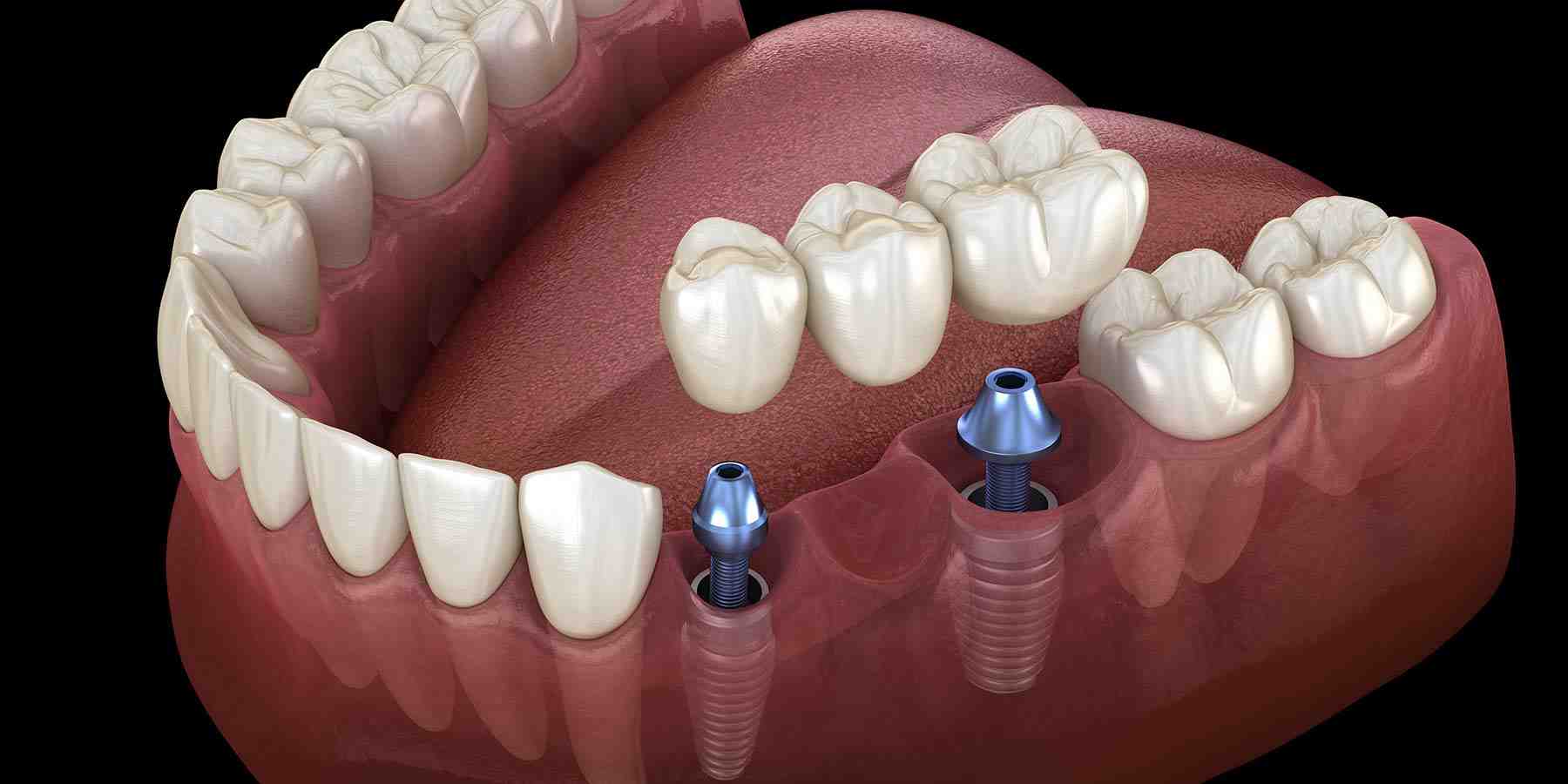
Selecting the best dental implant clinic in Bangalore is one of the most consequential health decisions you will make for your long-term oral vitality, facial aesthetics, and daily chewing confidence. Dental implants are not superficial cosmetic attachments or temporary dental bridges; they are sophisticated, biocompatible medical fixtures surgically anchored directly into your living jawbone. Choosing the right clinic requires a methodical, evidence-based evaluation of surgical qualifications, diagnostic infrastructure, material standards, and documented complex-case survival rates.
Whether you are replacing a single missing molar, seeking a full arch reconstruction, or looking for solutions after a previously failed dental restoration, understanding what sets a specialized clinical facility apart from general dental offices ensures a safe, comfortable, and permanent outcome. In this comprehensive patient guide, we break down the fundamental standards, diagnostic benchmarks, surgical credentials, and clinical questions you must evaluate before selecting your dental implant provider in Bangalore.
A top dental implant clinic in Bangalore is defined by specialized surgical leadership, advanced 3D radiographic imaging, strict sterilization standards, and verified long-term implant survival rates. While many general dental clinics in the city list dental implants among their basic service offerings, true implant centers operate with hospital-grade protocols, dedicated surgical operatories, and advanced digital planning workflows.
Dental implantology is an intricate intersection of oral surgery, tissue engineering, and restorative biomechanics. A top-tier facility distinguishes itself through five foundational clinical pillars:
• Hospital-Grade Sterilization Protocols: Surgical infection control is paramount. Leading clinics utilize multi-stage Class-B vacuum autoclaves, biological spore monitoring, and sterile surgical draping to eliminate cross-contamination risks and safeguard biological osseointegration.
• Medical-Grade Global Implant Systems: Top clinics exclusively partner with globally validated implant manufacturers such as Nobel Biocare (Sweden), Straumann (Switzerland), or Osstem (Korea). These systems utilize Grade-4 pure titanium or titanium-zirconia alloys with specialized surface treatments (like TiUnite or SLA) that promote rapid bone fusion and long-term biological stability.
• On-Site 3D Digital Imaging: Immediate access to high-resolution 3D Cone Beam Computed Tomography (CBCT) scanners and intraoral digital optical scanners eliminates diagnostic guesswork and enables computer-guided surgical template fabrication.
• Prosthetically Driven Surgical Planning: Rather than placing an implant wherever bone is easiest to find, elite clinics plan the exact three-dimensional position of the artificial crown first, then guide the implant post to support ideal chewing forces and natural gum contours.
• Structured Post-Operative Maintenance: Long-term implant success requires structured maintenance. A top facility provides regular clinical reviews, professional hygiene maintenance, and occlusal monitoring to prevent peri-implantitis and bone absorption.
To understand how modern implants integrate naturally with your jawbone structure, review our detailed Dental Implants Service Guide.
Choosing a Sweden-trained Prosthodontist and Maxillofacial Specialist with MDS training significantly reduces implant failure risks compared to receiving implants from general practitioners. While any licensed dentist can legally place an implant after attending short weekend certification courses, complex surgical placement demands deep formal residency training in surgical anatomy, bone physiology, and temporomandibular joint (TMJ) occlusion.
A Prosthodontist is a dental specialist who completes three full years of intensive post-graduate Master of Dental Surgery (MDS) residency dedicated strictly to artificial tooth replacement, bite reconstruction, and oral biomechanics. The Prosthodontist envisions the final prosthetic crown before the surgical incision is even made—a concept known as "prosthetically driven implantology." This prevents misaligned implants that cause unnatural chewing forces, food impaction, chronic jaw soreness, or aesthetic failure.
At Maxface Dental Clinic in Kasturinagar, chief surgeon Dr. B. Srinivas Rao, MDS, combines elite academic training with extensive international clinical experience:
• MDS in Prosthodontics: Three years of formal post-graduate surgical residency focusing on complex full-mouth rehabilitations, bite mechanics, and advanced oral prosthetics.
• Fellow & Diplomate of ICOI (USA): Awarded Diplomate status by the International Congress of Oral Implantologists—the highest credential in international implant dentistry, granted only after rigorous clinical case review and examination.
• Fellow & Diplomate of Brånemark Osseointegration Centre: Trained under strict Scandinavian clinical protocols established in Gothenburg, Sweden, by Professor Per-Ingvar Brånemark, the pioneer of modern osseointegration.
• NHS Hospital Experience (Glasgow, UK): Former Clinical Associate in NHS Scotland hospital trusts, gaining extensive experience in maxillofacial trauma, reconstructive oncology, and complex bone grafting.
• Clinical Mentor & International Educator: Serves as a clinical mentor guiding postgraduate dentists in advanced implantology and zygomatic surgical techniques.
When your procedure is performed by a surgeon with formal diplomate credentials, your surgical outcomes are governed by proven Scandinavian protocols that deliver a documented 98.2% long-term survival rate.
Complex-case capability indicates that a clinic can successfully restore teeth even for patients with severe jawbone loss through advanced zygomatic implants and full mouth rehabilitation without multi-year delay. Many individuals who have suffered from long-term missing teeth, severe periodontal disease, or prolonged denture wear experience advanced bone resorption in the upper jaw.
When presented with severe upper jawbone atrophy, standard dental clinics often inform patients that implants are biologically impossible, or recommend extensive sinus bone grafting procedures that take 12 to 18 months of healing with unpredictable outcomes. An advanced maxillofacial surgical center, however, provides graftless solutions through Zygomatic Implants.
Zygomatic implants are extra-long fixtures (30mm to 55mm) designed to anchor directly into the dense, non-resorbable cortical bone of the cheekbone (zygoma). Because the cheekbone retains structural density regardless of age or tooth loss, zygomatic implants bypass weak jawbone areas entirely. This allows patients with severe bone atrophy to receive a fixed, functional provisional bridge within 24 hours of surgery.
Key advantages of choosing a clinic capable of advanced complex reconstructions include:
• Complete Avoidance of Bone Grafts: Bypasses painful bone harvesting and secondary surgical sites.
• Immediate Same-Day Loading: Fixed provisional teeth attached within 24 hours so you never leave without a functional bite.
• Proven Biological Predictability: High success rates exceeding 97% even in severely compromised upper jaws.
To understand how graftless cheekbone implants restore severe bone loss, explore our Zygomatic Implants Treatment Guide and our comprehensive Full Mouth Rehabilitation Protocol.
State-of-the-art 3D CBCT radiographic scans and iTero Lumina intraoral scanning allow surgical teams to virtually simulate implant entry paths down to sub-micron accuracy before incision. Modern implantology has transitioned entirely from manual estimation to precision digital engineering.
When evaluating a dental clinic in Bangalore, look for two indispensable digital workflow technologies:
Unlike flat 2D X-rays that distort depth, a 3D Cone Beam Computed Tomography (CBCT) scan creates a three-dimensional volumetric map of your jaw structure. This allows the surgeon to measure exact bone width, density, and height, while identifying nerve pathways (inferior alveolar nerve) and sinus cavities to ensure 100% surgical safety.
Digital intraoral scanning replaces uncomfortable physical impression trays with a high-speed optical wand. Capturing thousands of 3D color frames per second, it creates sub-micron digital models of your teeth and gums for computer-aided CAD/CAM zirconia crown design.
By integrating 3D CBCT scans with digital intraoral models, the surgical team can manufacture 3D-printed surgical guides. These guides act as physical templates during surgery, ensuring the implant is placed at the exact predetermined angle and depth.
This sub-micron accuracy eliminates intra-operative guesswork, reduces surgical time to under 30 minutes per implant, minimizes post-operative swelling, and accelerates overall gum tissue healing.
Understanding dental implant material grades helps patients evaluate why premium clinics select biocompatible Grade-4 titanium, high-translucency zirconia, or PEEK polymers over budget alloys. The biological success of a dental implant relies directly on how bone osteoblasts interact with the implant surface.
Top-tier implant centers select materials based on strict biomechanical criteria:
• Medical-Grade Pure Titanium (Grade 4 & Ti-6Al-4V ELI): Offers maximum tensile strength and excellent biocompatibility, forming a tight oxide layer that encourages direct bone fusion without inflammatory response.
• High-Translucency Monolithic Zirconia: Used for custom prosthetic crowns and custom abutments, zirconia resists bacterial plaque accumulation, prevents dark gum line shadows, and provides exceptional aesthetic translucency matching natural enamel.
• PEEK & PEKK Polymers: Polyetheretherketone (PEEK) is an advanced high-performance polymer used for complete arch framework substructures due to its shock-absorbing elastic modulus, which reduces stress transfer to surrounding bone during heavy chewing.
Implantologists who actively contribute to peer-reviewed international scientific literature practice evidence-based dentistry, ensuring that patients benefit from proven clinical protocols and modern biomechanical materials. Scientific publication requires rigorous blind peer review by global academic leaders, validating the clinician's surgical methodology, patient safety data, and restorative outcomes.
At Maxface, Dr. B. Srinivas Rao has authored 15 peer-reviewed scientific research papers published in prestigious international dental journals, including Clinical Oral Implants Research, the Journal of Prosthetic Dentistry, and the Journal of Indian Prosthodontic Society. His research spans crucial areas of modern implantology:
• Finite Element Stress Analysis: Investigating stress distribution across zirconia, PEEK, and PEKK implant prostheses to prevent mechanical screw loosening and framework fractures.
• Maxillofacial Prosthetics & Anaplastology: Developing novel impression techniques and magnet-retained orbital and facial prostheses for complex reconstructive patients.
• Consensus Protocols for Atrophic Maxilla: Establishing clinical standards for zygomatic implants and All-on-4 restorations in edentulous upper jaws.
• Corrosion & Metallurgy Studies: Evaluating nickel-chromium and titanium alloy corrosion properties to maximize long-term tissue biocompatibility.
Receiving care from a published researcher guarantees that your treatment reflects empirical scientific evidence rather than unproven commercial trends.
Before committing to dental implant surgery, patients should ask about the surgeon's specialized MDS qualification, specific implant brand origin, 3D CBCT diagnostic availability, and long-term success records. To assist you in evaluating potential dental centers during your consultation, ask these essential clinical questions:
1. What is the surgeon's formal post-graduate qualification? Confirm whether the practitioner holds an MDS in Prosthodontics or Maxillofacial Surgery, rather than general dental degrees alone.
2. Which implant brand and material will be placed in my jaw? Request the exact manufacturer name (e.g. Nobel Biocare, Straumann) and ensure medical-grade Grade-4 titanium or titanium-zirconia is used.
3. Will my surgical plan be based on a 3D CBCT scan? Insist on 3D volumetric planning. Placement based solely on 2D panoramic X-rays carries unnecessary risk to nerves and sinuses.
4. How does the clinic handle severe bone loss or failed grafting? Check if the surgical team offers advanced options like Zygomatic implants or block bone grafting if bone height is minimal.
5. What is the documented success rate and warranty policy? Ask for verified case histories and long-term clinical maintenance policies.
6. Is the final crown custom-milled using CAD/CAM technology? Ensure your crown is fabricated using high-translucency zirconia or lithium disilicate for accurate bite alignment.
Patients across Kasturinagar, Kalyan Nagar, HRBR Layout, and Ramamurthy Nagar choose Maxface Dental Clinic for its Sweden-trained chief surgeon, sub-micron digital scanning, and 98.2% clinical success rate. Located conveniently at RS Arcade, 2nd Main Road in Kasturinagar, East Bangalore, Maxface Clinic pairs Scandinavian surgical precision with a tranquil, dark-luxury environment.
Every patient at Maxface receives an individualized, honest evaluation. We do not issue generic estimates over the phone; instead, Dr. Srinivas Rao conducts a meticulous clinical check, analyzes 3D CBCT imaging, and presents a transparent treatment plan tailored to your anatomical needs.
By combining Sweden-protocol implantology, published research credentials, and sub-micron iTero digital workflows, Maxface Clinic ensures that your investment yields a lifetime of biological health, chewing stability, and natural aesthetic brilliance.
When evaluating dental implant clinics in Bangalore, prioritize surgical specialization (an MDS in Prosthodontics or Maxillofacial Surgery), advanced 3D CBCT diagnostic imaging, the use of globally certified titanium implant systems like Nobel Biocare, and hospital-grade sterilization protocols. Reviewing the lead surgeon's international diplomate credentials and complex-case success rates is also essential.
Yes. A Prosthodontist undergoes three additional years of post-graduate specialization (MDS) focusing strictly on bite mechanics, jaw joint (TMJ) alignment, and artificial tooth restoration. Their specialized training ensures that implants are positioned with millimeter precision for optimal long-term chewing function and natural facial aesthetics.
Complex-case capability is demonstrated by a clinic's ability to offer advanced procedures like cheekbone-anchored Zygomatic implants, All-on-4 full-mouth rehabilitations, and block bone grafting for patients with severe bone atrophy. Clinics capable of performing these advanced surgeries can treat patients who were previously told implants were impossible.
A 3D Cone Beam Computed Tomography (CBCT) scan provides a three-dimensional radiographic view of your jawbone density, height, and neurovascular pathways. Unlike two-dimensional X-rays, CBCT imaging enables the surgeon to map exact implant entry vectors, avoiding nerve damage and ensuring solid osseointegration.
Surgeons who publish peer-reviewed scientific literature practice evidence-based dentistry. Their active involvement in clinical research ensures that your treatment utilizes the latest biomaterials (such as zirconia and PEEK), biomechanical stress distribution models, and Scandinavian surgical protocols.
Yes, absolutely. Patients with severe upper jawbone resorption can receive Zygomatic implants, which anchor directly into the dense cortical bone of the cheekbone, completely bypassing weak jawbone areas without requiring painful bone grafts. An in-person 3D CBCT evaluation determines the exact treatment pathway.
Maxface Dental Clinic in Kasturinagar is led by Dr. B. Srinivas Rao, a Sweden-trained prosthodontist and ICOI Diplomate. Patients across Kasturinagar, Kalyan Nagar, HRBR Layout, and Ramamurthy Nagar choose Maxface for its sub-micron iTero scanning, 98.2% implant success rate, and dark-luxury patient experience.
Medically Reviewed By
MDS Prosthodontics, Fellow & Diplomate ICOI (USA) · Chief Implantologist · Last updated: May 2026
A clinical case series by Dr. B. Srinivas Rao demonstrating how patients with severely resorbed jawbones — previously told they cannot receive implants — were successfully rehabilitated using zygomatic implants and the All-on-4 treatment concept.
Zygomatic implants in Bangalore offer a graftless solution for severe upper jawbone loss. Learn how Dr. Srinivas Rao provides immediate fixed teeth.
Full mouth dental implants in Bangalore: Compare All-on-4 vs All-on-6 procedures. Learn how Dr. Srinivas Rao selects the optimal full arch treatment.